



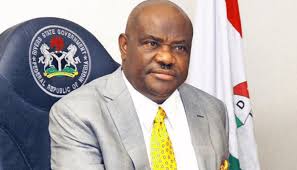
Few names generate as much buzz in Nigerian political circles as Nyesom Wike. Every few months, a fresh headline links his name to one government agency or another — and the EFCC is often at the centre of it.
But before diving into any specific claim, it’s worth separating fact from speculation. This piece takes a step back to look at who Wike actually is, his political journey, and why his name so frequently ends up tangled with anti-corruption institutions in public discourse.
Who Is Nyesom Wike?
Nyesom Wike is one of Nigeria’s most prominent and outspoken political figures. He served two terms as Governor of Rivers State before being appointed Minister of the Federal Capital Territory (FCT) in 2023, a role he currently holds. Known for his combative style and blunt public remarks, Wike has remained a dominant voice in Nigerian politics well beyond his time as governor.
A Pattern of Political Friction
Wike’s tenure — both as governor and now as FCT Minister — has rarely been quiet. He’s been at the centre of high-profile disputes with political rivals, party structures, and at times, federal agencies. Critics have accused him of wielding significant influence over state institutions, while his supporters describe him as a straight-talking reformer unafraid to call out corruption wherever he sees it.
Why the EFCC Keeps Coming Up
The Economic and Financial Crimes Commission (EFCC) is Nigeria’s foremost anti-graft agency, tasked with investigating financial crimes among public officials and private citizens alike. Given Wike’s high political profile and his history of public feuds, it’s not surprising that his name frequently surfaces whenever EFCC-related controversies make the news — whether he’s the subject of the story or simply a reference point in someone else’s.
This dynamic isn’t unique to Wike. In Nigeria’s political landscape, allegations of the EFCC being used as a political tool are common talking points, often raised by whichever side feels targeted at a given moment.
The Bigger Picture
Nigerians have grown accustomed to swirling rumours around powerful political figures and anti-corruption bodies. Whether or not specific claims about Wike and the EFCC hold up, the broader conversation reflects deeper questions Nigerians continue to ask: How independent is the EFCC really? And how much influence do powerful politicians have over Nigeria’s anti-graft institutions?
Conclusion
Nyesom Wike remains one of the most talked-about figures in Nigerian politics, and stories linking him to the EFCC are unlikely to fade anytime soon. As with any developing political story, readers are encouraged to follow verified news sources for confirmed updates rather than unconfirmed claims.
