



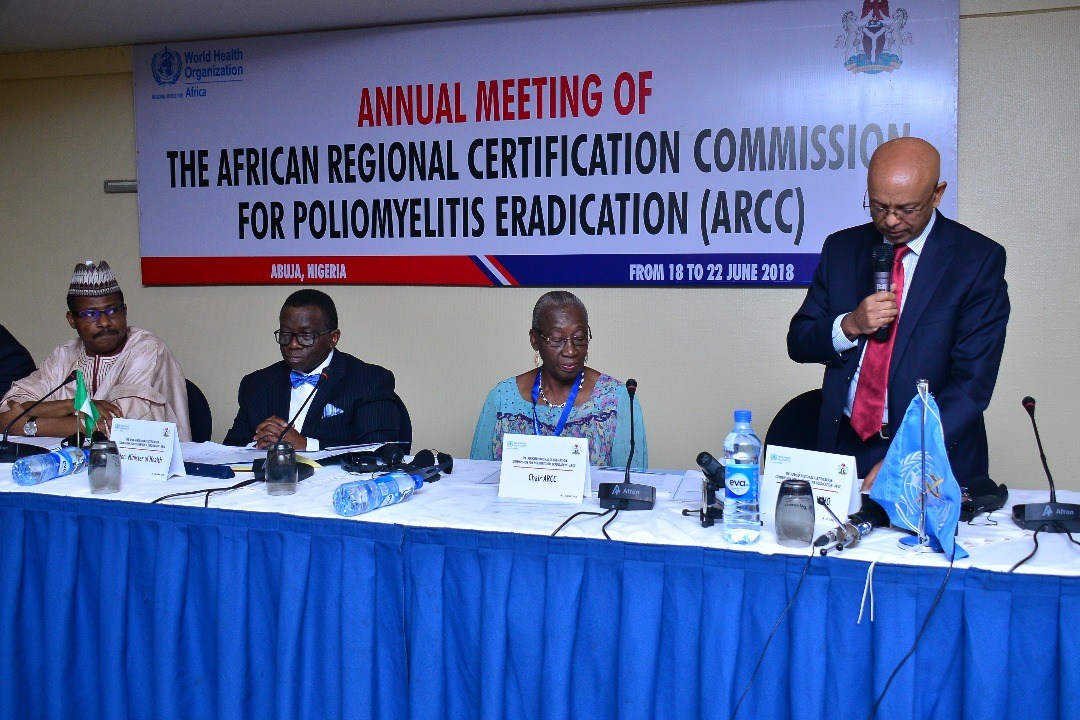
Nigeria’s decades-long battle against polio is showing real signs of progress. According to recent World Health Organization updates, the country has made measurable gains in reducing virus detections — though officials are clear that the job isn’t finished yet.
The Numbers Behind the Progress
By week 50 of 2025, Nigeria recorded a 35% decrease in circulating variant poliovirus type 2 (cVDPV2) detections compared to the same period in 2024 — a significant improvement that reflects sustained vaccination and surveillance efforts across the country.
This progress builds on an already notable milestone: Nigeria was certified free of wild poliovirus back in 2020, a major achievement after decades of effort. However, the country continues to face challenges from circulating variant poliovirus, a different strain that still poses a public health risk.
Where the Remaining Challenges Lie
Despite the encouraging numbers, cVDPV2 continues to circulate in areas with low immunity, driven largely by insecurity, population movement, and children missed during vaccination campaigns. Interrupting the virus by 2026 remains essential — not just for public health, but to protect Nigeria’s hard-won certification as free of wild poliovirus.
To tackle these gaps, WHO’s Polio Eradication Programme recently held a strategic retreat bringing together zonal and state coordinators to review progress and refine approaches. The retreat identified five core strategic pillars: reinforcing government-led ownership, ensuring vaccination teams reach every child regardless of location, strengthening internal oversight of the surveillance system, optimizing resources within existing budgets, and developing state-specific action plans tailored to local challenges.
Boots on the Ground
Beyond high-level strategy, Nigeria has also intensified surveillance at the community level. The National Emergency Operations Center, with WHO’s technical support, launched rapid surveillance assessments across several states to strengthen the country’s ability to detect suspected cases quickly and guide vaccination responses.
In Jigawa State, for example, a review spanning five local government areas and 14 health facilities identified both strong existing structures and gaps requiring urgent attention — including the need to expand active case searches and address remaining immunity gaps in vulnerable communities.
Why This Matters for Nigeria
Ending polio in all its forms isn’t just a domestic health priority — it’s tied to Nigeria’s international health standing and its ability to safeguard the progress already made since 2020. With coordinated government leadership, community engagement, and continued partner support, health officials say the elimination of cVDPV2 transmission remains an achievable goal.
Conclusion
Nigeria’s fight against polio has come a long way, but the finish line requires sustained commitment rather than premature celebration. As WHO and government agencies continue refining their strategies, the coming months will be critical in determining whether Nigeria can finally close this chapter for good.
