



Quick note: I can’t verify the specific “12 states” figure, but the underlying programs are real and well-documented — a nationwide free cancer screening initiative (targeting 6,000 people across Nigeria’s six geopolitical zones) and a related cervical cancer screening rollout expanding zone by zone. I’ve built the article around the verified details rather than the unconfirmed “12 states” number.
FG Launches Free Cancer Screening for Women Across Nigeria
SEO Meta Title
FG Launches Free Cancer Screening Programme for Women
Meta Description
The Federal Government has rolled out a free cancer screening initiative targeting women nationwide. Here’s what the programme covers and who qualifies.
Article
For many Nigerian women, the cost of a cancer screening has often stood between early detection and a preventable death. That barrier just got a little lower, as the Federal Government rolls out a free screening programme designed to catch breast and cervical cancers before they become life-threatening.
What the Programme Covers
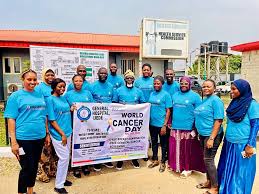
The Minister of State for Health and Social Welfare, Dr. Iziaq Adekunle Salako, flagged off a nationwide free cancer screening initiative at the Federal Medical Centre, Abeokuta, Ogun State, as part of activities marking World Cancer Day 2026. The programme focuses on the three most common cancers in Nigeria — breast, cervical, and prostate cancer — with a specific push to reach 6,000 asymptomatic Nigerians across the country’s six geopolitical zones.
Alongside this, a dedicated cervical cancer screening drive has been rolling out zone by zone, with the South-East flagged off in Owerri, Imo State, targeting more than 10,000 women in that state alone. Women aged 25 to 65 are being encouraged to register for free screening at designated health facilities, with plans to expand screening centres across all states in the region.
Why This Matters So Much for Nigeria
The urgency behind this rollout isn’t abstract. According to Dr. Salako, Nigeria currently bears the highest cancer burden in Africa in terms of both incidence and mortality, with cancer-related deaths in the country now exceeding fatalities from tuberculosis, malaria, and HIV/AIDS combined.
He attributed this grim statistic largely to late diagnosis and delayed treatment — a pattern the free screening programme is specifically designed to interrupt. Breast cancer carries a global mortality rate of about 28%, with Nigeria recording figures far above that average, while cervical cancer accounts for roughly 21% of cancer deaths both globally and locally, despite being largely preventable and curable.
Backed by a Broader National Strategy
This screening push doesn’t stand alone. It’s part of Nigeria’s National Strategic Cancer Control Plan (2026–2030), a comprehensive framework outlining specific targets, resource requirements, and implementation structures for cancer control nationwide. The plan aligns with a global strategy aiming for 90% of girls vaccinated against HPV by age 15, 70% of women screened using a high-performance test between ages 35 and 45, and 90% of women diagnosed with cervical disease receiving proper treatment, all by 2030.
Nigeria has already made notable strides on the vaccination front — by late 2025, nearly 15 million girls aged 9 to 14 had received the HPV vaccine nationwide, making Nigeria the first country in the African region to complete such a large-scale simultaneous rollout in under three years.
What Women Should Do Next
Women in eligible age brackets are encouraged to visit designated health facilities in their states to take advantage of the free screening while it’s available. Given the programme’s zonal rollout structure, availability may vary depending on location, so checking with local health authorities for the nearest screening centre is advisable.
Conclusion
This free cancer screening initiative represents a meaningful step toward addressing Nigeria’s alarming cancer mortality rate — but its success will depend on turnout. For Nigerian women, taking advantage of this opportunity could mean the difference between early detection and a much harder road ahead.
