



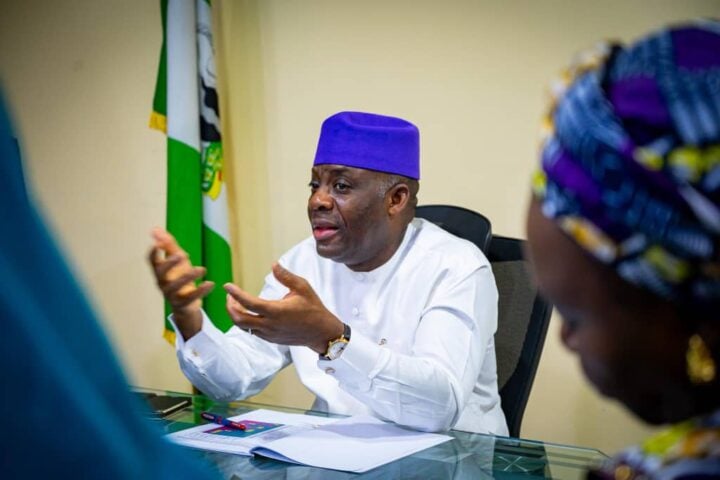
The Academic Staff Union of Universities (ASUU) has suspended its industrial action following fresh negotiations with the Federal Government, marking a significant development for Nigeria’s public university system. The decision comes after both parties reached substantial progress on several long-standing issues affecting lecturers and public universities.
While headlines often describe the agreement as the government meeting “80% of ASUU’s demands,” official statements typically emphasize that the suspension follows renewed commitments and progress in negotiations rather than confirming a specific percentage of fulfilled demands. ASUU has stated that it expects the government to continue implementing the remaining agreements within the agreed timeframe.
Why ASUU Suspended the Strike
The decision to suspend the strike followed a series of engagements involving the Federal Government, the National Assembly, and ASUU leadership. According to the union, recent interventions provided enough assurance to temporarily halt the industrial action while discussions continue.
Among the key issues raised during negotiations were:
- Renegotiation of the 2009 FG-ASUU Agreement.
- Payment of outstanding salaries and earned academic allowances.
- Improved funding and revitalization of public universities.
- Settlement of promotion arrears.
- Better welfare conditions for university lecturers.
Although significant progress has reportedly been made, ASUU has maintained that some issues remain unresolved and will require continued dialogue.
Relief for Students and Parents
The suspension of the strike has been welcomed by millions of students, parents, and university administrators across Nigeria.
Industrial actions by ASUU have historically disrupted academic calendars, delayed graduations, and created uncertainty for students pursuing higher education. The latest development offers hope that universities can return to normal academic activities while negotiations continue.
Many institutions are expected to announce revised academic schedules once lectures fully resume.
The Importance of Continued Dialogue
Education stakeholders have consistently called on both ASUU and the Federal Government to prioritize dialogue over prolonged industrial action.
Experts argue that resolving disputes through sustained negotiations will help restore confidence in Nigeria’s public university system while minimizing disruptions to students’ education.
The Federal Government has also reiterated its commitment to improving tertiary education through increased investment, infrastructure development, and enhanced staff welfare, although many of these commitments require long-term implementation.
What Happens Next?
Although the strike has been suspended, the industrial dispute has not been permanently resolved.
ASUU has indicated that it will continue monitoring the government’s implementation of outstanding agreements. Should negotiations stall or commitments fail to materialize, the union has warned that it reserves the right to take further action in accordance with its internal resolutions.
For students, the immediate priority is returning to classrooms and completing the academic session with minimal additional disruptions.
A Long History of Industrial Disputes
Founded in 1978, ASUU has played a central role in advocating for improved funding, university autonomy, and better working conditions for academic staff. Over the years, disagreements between the union and successive governments have resulted in multiple nationwide strikes that have significantly affected Nigeria’s higher education sector.
Many education experts believe lasting reforms, timely implementation of agreements, and consistent funding remain essential to preventing future disruptions.
Conclusion
The suspension of ASUU’s strike represents a positive step toward restoring stability in Nigeria’s public universities. While negotiations have produced encouraging progress, both the Federal Government and ASUU acknowledge that additional work remains to fully address outstanding concerns.
Students, lecturers, and other stakeholders will now be watching closely to see whether the commitments made during negotiations translate into lasting improvements for Nigeria’s tertiary education system.
