



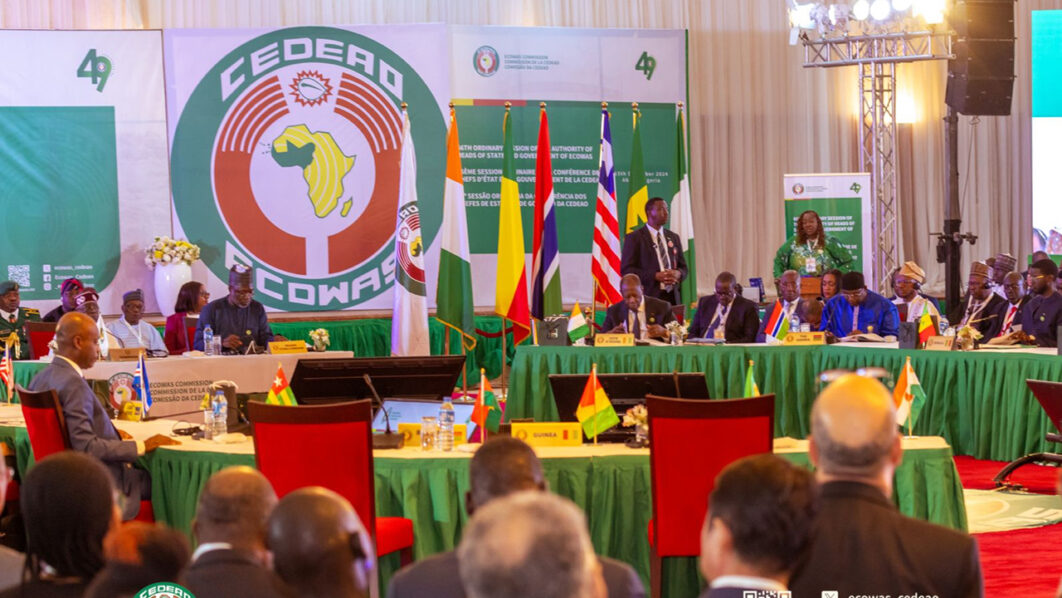
The United Nations Security Council has renewed international attention on the worsening security situation in the Sahel, with discussions focusing on the role of the Economic Community of West African States (ECOWAS) in promoting peace, stability, and regional cooperation.
The Sahel—stretching across parts of West and Central Africa—continues to face serious challenges, including terrorism, armed insurgencies, political instability, humanitarian emergencies, and climate-related pressures. As these issues increasingly affect neighboring countries, the Security Council has emphasized the importance of coordinated regional and international responses. Recent Council briefings on West Africa and the Sahel have highlighted the need for sustained diplomacy and stronger partnerships with regional organizations such as ECOWAS.
Understanding the Sahel Crisis
The Sahel has experienced years of instability fueled by extremist violence, military coups, displacement of civilians, and economic hardship. Countries including Mali, Burkina Faso, and Niger have faced persistent security threats that have reshaped the region’s political landscape.
The humanitarian consequences have been significant, with millions of people requiring assistance and many communities forced to flee their homes. Analysts also warn that insecurity in the Sahel has implications for coastal West African nations, making regional cooperation increasingly important.
ECOWAS’ Role in Regional Security
ECOWAS has long served as one of West Africa’s leading regional organizations, promoting economic integration while also playing a key role in conflict prevention, mediation, election monitoring, and peacebuilding.
During discussions at the UN Security Council, attention has focused on how ECOWAS can continue supporting stability amid evolving regional dynamics. The United Nations Office for West Africa and the Sahel (UNOWAS) works closely with ECOWAS, the African Union, and national governments to strengthen preventive diplomacy, address cross-border security threats, and encourage political dialogue.
Challenges Facing Regional Cooperation
Recent years have presented new challenges for ECOWAS, particularly following political changes and shifting alliances within parts of the Sahel. These developments have complicated regional security coordination and prompted discussions about the future of collective responses to terrorism and governance challenges.
Security experts believe stronger cooperation between African institutions, international partners, and local governments remains essential to improving long-term stability across the region.
Why the UN Security Council Discussion Matters
The Security Council’s deliberations are significant because they help shape international support for peace initiatives across West Africa. While the Council does not directly manage regional organizations, its discussions can influence diplomatic engagement, humanitarian assistance, and international cooperation.
Recent UN briefings have highlighted the importance of strengthening institutions, supporting democratic governance, protecting civilians, and improving coordination against extremist groups operating across national borders.
Implications for Nigeria and West Africa
As one of ECOWAS’ founding members and Africa’s largest economy, Nigeria continues to play an influential role in regional peace and security efforts.
Developments in the Sahel have direct implications for Nigeria, particularly regarding border security, migration, trade, and counterterrorism cooperation. Many observers believe continued diplomatic engagement through ECOWAS and the African Union will be crucial in addressing shared security challenges while promoting sustainable development across the region.
Conclusion
The UN Security Council’s debate on ECOWAS’ role in the Sahel crisis underscores the urgency of finding lasting solutions to one of Africa’s most complex security challenges. While significant obstacles remain, stronger regional cooperation, diplomatic engagement, and international support will likely remain central to efforts aimed at restoring peace and stability across West Africa and the Sahel.
