


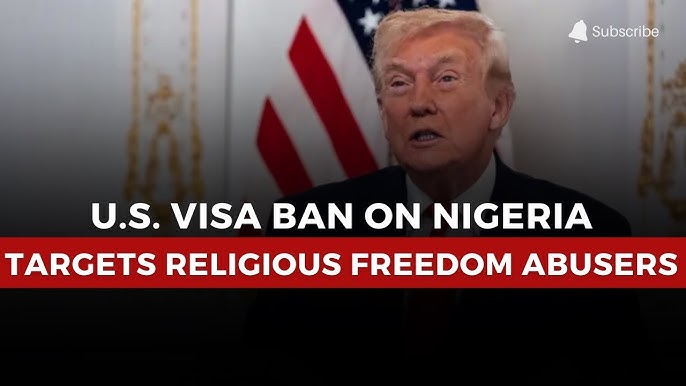
For many Nigerians with American travel dreams, 2026 opened with unwelcome news. A sweeping new visa restriction from the United States officially took effect, and it’s already reshaping travel, study, and migration plans across the country.
Here’s a clear breakdown of what actually changed — and who it affects.
What the New Rule Says
The United States began a partial suspension of certain visa categories for Nigerian nationals starting January 1, 2026, under a new presidential proclamation focused on border and national security. The restriction bars entry for Nigerians seeking to enter the US as green card holders, or on B-1, B-2, B-1/B-2, F, M, and J visas — covering tourism, business travel, academic study, vocational study, and exchange programmes. Punchallafrica
Importantly, US authorities clarified that visas issued before the effective date will not be revoked, and anyone who already held a valid visa as of January 1, 2026, is not affected by the proclamation. Premium Times
Nigeria Isn’t Alone
Nigeria is one of 19 countries affected by this specific measure, alongside nations like Angola, Benin, Senegal, Zimbabwe, and Venezuela. Nigerian nationals are not fully banned from the US, but they now face significant restrictions and limits on entry. allafricaICEF Monitor
Additional Measures Since Then
The restrictions didn’t stop there. Starting January 21, 2026, Nigerian nationals found otherwise eligible for a B1/B2 visa are now required to post a bond of up to $15,000. The same date also saw the Department of State pause all immigrant visa issuances to nationals of several countries, including Nigeria, citing concerns about high rates of public assistance use among immigrants from those countries. U.S. Embassy in NigeriaU.S. Embassy in Nigeria
Why This Is Happening
US officials have cited concerns about visa overstay rates and cooperation on repatriation matters as key reasons behind Nigeria’s inclusion in the restricted list. The proclamation has no stated expiration date, though the Secretary of State is required to report back every 180 days on whether the restrictions should continue. JQK LawJQK Law
Not everyone agrees with the approach. Immigration advocacy groups have argued that broad, nationality-based travel restrictions don’t necessarily improve security and may instead push talented students and professionals toward other countries actively courting global talent.
What This Means for Nigerians Planning US Travel
If you already hold a valid US visa, you’re not affected — for now. But if you’re planning a fresh application for tourism, study, or immigration purposes, expect a tougher, more uncertain process, with added costs like the new visa bond requirement.
Conclusion
The new US visa restrictions mark one of the most significant shifts in Nigeria-US travel relations in recent years. With no clear end date attached, Nigerians hoping to travel, study, or relocate to the US should stay closely tuned to official updates from the US Embassy in Nigeria before making any firm plans.
