



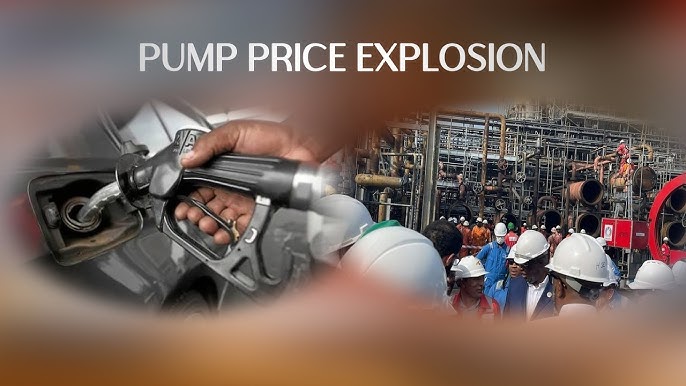
Motorists and businesses across Nigeria are feeling the impact of another increase in petrol prices, with the cost of Premium Motor Spirit (PMS) reaching ₦1,300 per litre in some parts of the country. The latest surge has reignited public debate about fuel pricing, inflation, and the broader state of the Nigerian economy.
For many households, higher fuel prices translate into increased transportation costs, more expensive goods and services, and additional pressure on already stretched budgets. While the exact retail price may vary depending on location and fuel marketers, the upward trend reflects several economic factors influencing Nigeria’s downstream petroleum sector.
Why Are Petrol Prices Increasing?
Several factors have contributed to the latest rise in petrol prices.
Exchange Rate Fluctuations
One of the biggest drivers is the value of the naira against the U.S. dollar. Since petroleum products or their production inputs are linked to international markets, a weaker naira increases the cost of importing fuel or sourcing foreign exchange for transactions.
Global Crude Oil Prices
International crude oil prices also influence domestic petrol prices. When global oil prices rise, the cost of refined petroleum products generally follows, affecting countries that rely on imported fuel or international pricing mechanisms.
Deregulation of the Downstream Sector
Nigeria’s move toward a deregulated petroleum market means fuel prices are increasingly determined by market forces rather than government-fixed rates. As a result, changes in supply costs, foreign exchange, and operational expenses can quickly affect pump prices.
Distribution and Logistics Costs
Transportation, storage, and distribution expenses also play a role. Rising diesel prices, security challenges along transport routes, and higher operational costs for marketers may contribute to higher retail prices.
How the Increase Affects Nigerians
The impact of higher petrol prices extends beyond filling stations.
Higher Transportation Costs
Commercial transport operators often adjust fares to reflect rising fuel expenses, affecting daily commuters and businesses that rely on logistics.
Rising Cost of Goods
Many businesses depend on fuel-powered transportation and generators. As operating costs increase, businesses may pass part of those expenses on to consumers through higher prices.
Increased Inflationary Pressure
Fuel is a major component of economic activity. Sustained increases in petrol prices can contribute to inflation by raising production and distribution costs across multiple sectors.
What Businesses Can Do
Businesses are increasingly exploring ways to manage higher energy costs by improving operational efficiency, investing in alternative energy solutions where possible, and reviewing logistics strategies to reduce expenses.
Consumers, meanwhile, may consider fuel-efficient travel planning, vehicle maintenance, and carpooling as practical ways to manage transportation costs.
Looking Ahead
Economic analysts believe future petrol prices will depend on several factors, including exchange rate stability, global oil market conditions, domestic refining capacity, and government policies affecting the petroleum sector.
The continued expansion of local refining and improvements in fuel distribution infrastructure could help reduce supply challenges over time. However, international market trends and currency movements are expected to remain important influences on domestic fuel prices.
Conclusion
The rise in petrol prices to ₦1,300 per litre highlights the complex relationship between global energy markets, exchange rates, and domestic economic policies. While the increase presents challenges for households and businesses, ongoing efforts to strengthen Nigeria’s energy sector and improve local refining capacity may contribute to greater market stability in the future.
For consumers, staying informed about economic developments and adopting cost-saving measures can help lessen the impact of rising fuel prices while the broader market continues to adjust.
