



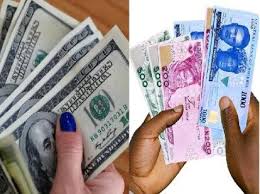
The Nigerian naira has recorded a notable gain against the United States dollar, appreciating to ₦1,480 per dollar following renewed intervention by the Central Bank of Nigeria (CBN). The development has sparked optimism among businesses, investors, and financial analysts who have closely monitored the country’s foreign exchange market in recent months.
A stronger naira is often viewed as a positive indicator for the economy, particularly when it reflects improved liquidity in the foreign exchange market and increased confidence among investors. While exchange rates continue to fluctuate based on market conditions, the latest appreciation has renewed discussions about the effectiveness of the CBN’s monetary policies.
What Is Driving the Naira’s Appreciation?
Several factors can contribute to a stronger local currency, including central bank interventions, improved foreign exchange supply, and stronger investor confidence.
The CBN has continued implementing measures aimed at stabilizing the foreign exchange market. These efforts typically include increasing dollar liquidity, improving transparency in the FX market, and introducing policies designed to reduce excessive exchange rate volatility.
Economic analysts note that when foreign exchange becomes more readily available through official channels, pressure on the local currency may ease, resulting in improved exchange rate stability.
The Role of the Central Bank
The Central Bank of Nigeria plays a crucial role in maintaining financial stability and managing monetary policy.
Through various policy tools, the CBN seeks to:
Improve Foreign Exchange Liquidity
Increasing the availability of foreign currency can help meet legitimate demand from businesses, manufacturers, and importers.
Reduce Exchange Rate Volatility
A more stable exchange rate helps businesses plan more effectively by reducing uncertainty in pricing and international transactions.
Build Investor Confidence
Consistent monetary policies can encourage both domestic and foreign investors to participate more actively in the Nigerian economy.
What a Stronger Naira Means for Nigerians
A stronger currency may have positive effects across different sectors of the economy.
Lower Import Costs
Businesses that rely on imported machinery, raw materials, or finished goods may benefit from reduced foreign exchange expenses.
Potential Relief from Inflation
Since Nigeria imports many consumer and industrial products, a stronger naira could help moderate the cost of imported goods over time, although prices may not adjust immediately.
Improved Business Planning
Greater exchange rate stability allows businesses to prepare budgets and make investment decisions with increased confidence.
Challenges Still Remain
Despite recent improvements, economists caution that long-term currency stability depends on broader economic fundamentals.
Key factors include:
- Sustained foreign exchange inflows.
- Increased non-oil exports.
- Higher domestic production.
- Fiscal discipline.
- Continued investor confidence.
A single period of appreciation does not necessarily guarantee long-term stability, making consistent economic reforms important.
Looking Ahead
Financial market observers will continue monitoring future actions by the Central Bank, global oil prices, foreign investment trends, and Nigeria’s overall economic performance.
If ongoing reforms succeed in improving foreign exchange supply while boosting productivity and exports, the naira could experience greater stability in the medium to long term.
However, external factors such as global economic conditions and international commodity prices will also continue influencing the country’s exchange rate.
Conclusion
The naira’s appreciation to ₦1,480 per dollar following the CBN’s intervention represents an encouraging development for Nigeria’s financial markets. While businesses and consumers may benefit from improved exchange rate stability, sustaining these gains will require continued economic reforms, prudent monetary policies, and stronger investor confidence.
As Nigeria works toward long-term economic resilience, maintaining a stable foreign exchange market will remain a key priority for policymakers and the broader business community.
