



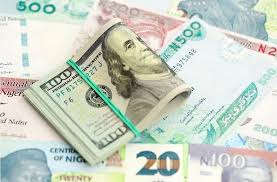
For years, Nigeria’s foreign reserves felt like a moving target the country could never quite hit. Now, that story has changed dramatically. The nation’s external reserves have not only crossed the long-awaited $50 billion mark — they’ve kept climbing well beyond it.
A 13-Year High, Then a New Record
According to a March 2026 announcement from the Central Bank of Nigeria (CBN), the country’s gross external reserves reached $50.45 billion as of February 16, 2026 — the highest level recorded in 13 years. That reserve position was estimated to cover 9.68 months of imports of goods and services, meaning Nigeria could theoretically sustain nearly ten months of import demand even without new foreign inflows. Pulse NigeriaPulse Nigeria
But the climb didn’t stop there. By mid-July 2026, foreign reserves had risen to $51.86 billion, marking the highest level in more than 17 years — the country’s best position since January 2009. Most recently, gross external reserves rose to $52.52 billion as of July 17, 2026, according to CBN Governor Olayemi Cardoso, up from $50.47 billion at the end of May. ArisePremium Times
What’s Driving the Surge
Cardoso attributed the increase mainly to receipts from crude oil-related taxes and third-party inflows into the economy. Other contributing factors include stronger foreign portfolio inflows and rising diaspora remittances, alongside ongoing reforms in Nigeria’s foreign exchange sector. Premium TimesEconomi Confidential
The reserve increase comes against the backdrop of major economic reforms introduced by President Bola Tinubu’s administration, including the liberalisation of Nigeria’s exchange rate regime in 2023. That shift initially triggered a sharp depreciation of the naira as pent-up demand for foreign currency resurfaced once multiple exchange windows were unified. Pulse NigeriaPulse Nigeria
How Big Is This Milestone, Really?
Context matters here. Compared to $38.47 billion in May 2025, Nigeria added more than $11 billion to its reserves within just twelve months — a jump that’s even more striking against the $32.7 billion recorded in May 2024. The current reserve level is sufficient to finance approximately 11 months of imports, well above the international benchmark of three months’ cover. Economi ConfidentialPremium Times
A Note of Caution
Not everyone is celebrating without reservation. The International Monetary Fund has urged some caution, warning in its latest Article IV review that rapid reserve accumulation may be slowing the naira’s adjustment toward its estimated fair value. It’s a reminder that strong reserve numbers don’t automatically translate into a stronger currency on the streets. Zawya
Conclusion
Nigeria’s climb past $50 billion in external reserves — and its continued rise since — marks one of the country’s strongest economic signals in over a decade. Whether this translates into lasting stability for the naira and everyday Nigerians will depend on how these gains are managed in the months ahead.
